Skip to content



- Global finance is shifting toward real-time, onchain systems.
- Tokenization now stands as a strategic priority for major institutions.
- Infrastructure strength will determine long-term adoption.
According to the report, the global financial system is entering a period of structural change. Legacy market infrastructure depends on fragmented ledgers and delayed settlement. Transactions move through layers of intermediaries. Reconciliation consumes time and capital. Onchain systems aim to replace these inefficiencies with shared ledgers, real-time settlement, and programmable workflows that reduce friction across markets.
These limits conflict with a digital economy that demands speed, transparency, and constant availability. To address this gap, financial institutions are turning toward tokenization as a new operating foundation. Onchain finance introduces a shared system of record.
Assets settle in minutes rather than days. Records update instantly across participants. Rules operate directly in code. This shift reduces friction and improves trust. What began as small experiments has now developed into a coordinated push by global banks, asset managers, and market operators.
Tokenization Becomes Core Financial Infrastructure
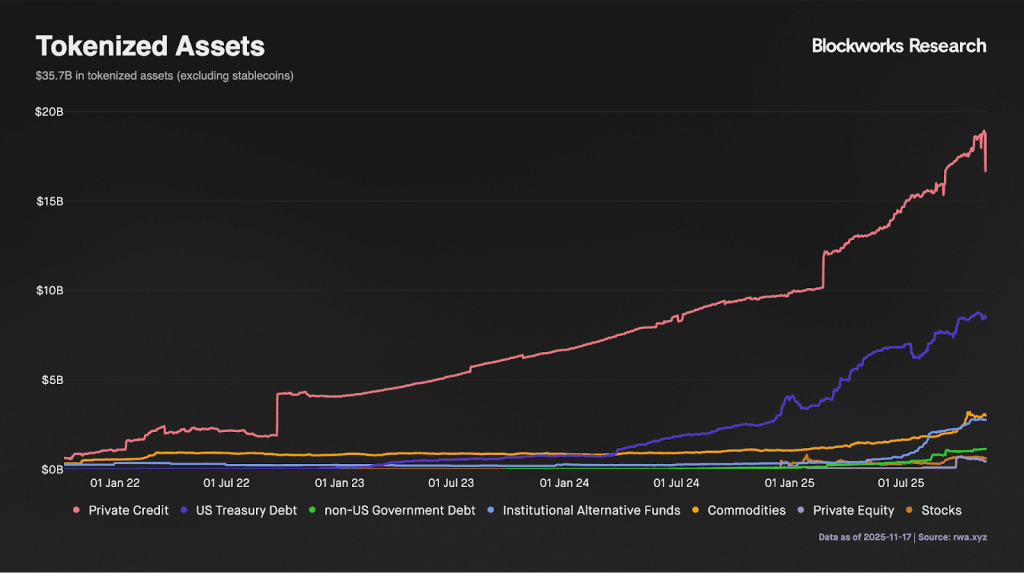
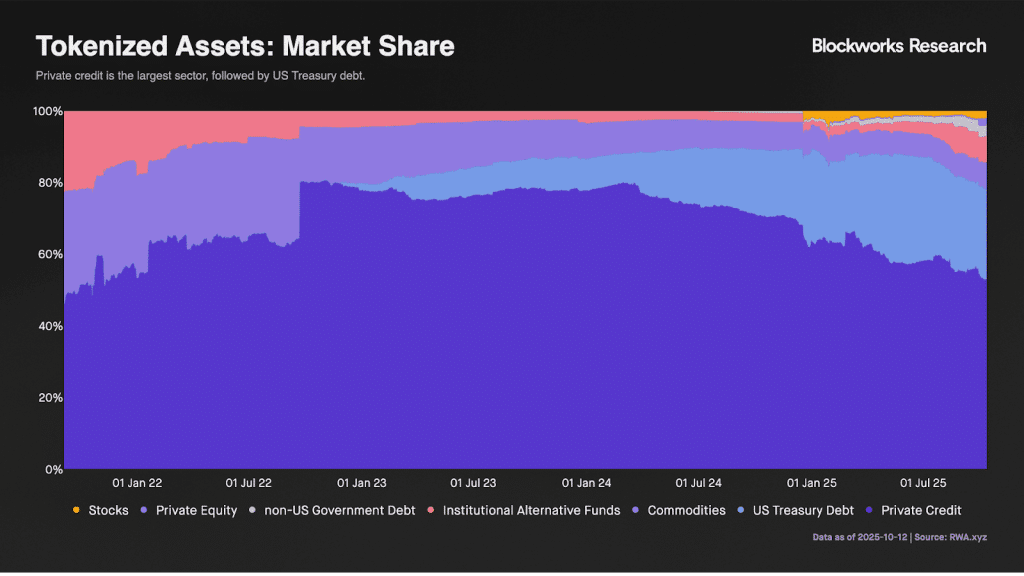
Tokenization has moved into the core of financial strategy. Institutions now treat it as essential infrastructure rather than optional innovation. The market already includes tokenized stablecoins, private credit, government debt, commodities, and equities.
Forecasts project trillions of dollars in real-world assets moving onchain within the decade. These estimates reflect a growing belief that tokenization will become standard practice. The drivers behind this trend remain practical. Faster settlement lowers counterparty risk and releases trapped capital.
Automated processes reduce operating costs. Tokenization also allows fractional ownership. Assets that once required large investments can now reach a broader investor base. This change supports liquidity and inclusion. Smart contracts further increase efficiency.
They encode compliance rules, settlement logic, and servicing tasks into digital assets. Issuance, trading, and reporting follow a unified flow. Early production systems already show measurable gains.
Large institutions report lower costs and faster financing cycles after adopting tokenized workflows. Cross-border payments also benefit as shared ledgers simplify complex settlement chains.
Regulatory and Compliance Challenges for Tokenized Markets
Despite momentum, challenges remain significant. Financial markets operate under strict regulatory oversight. Tokenized systems must support identity checks, transaction monitoring, and jurisdiction controls. Public blockchains alone cannot meet these demands. Institutions require selective privacy while preserving auditability.
Interoperability adds another layer of complexity. Tokenized assets operate across public networks, private ledgers, and legacy systems. Institutions need secure movement of assets and data between these environments. Without reliable connectivity, liquidity fragments and risk increase.
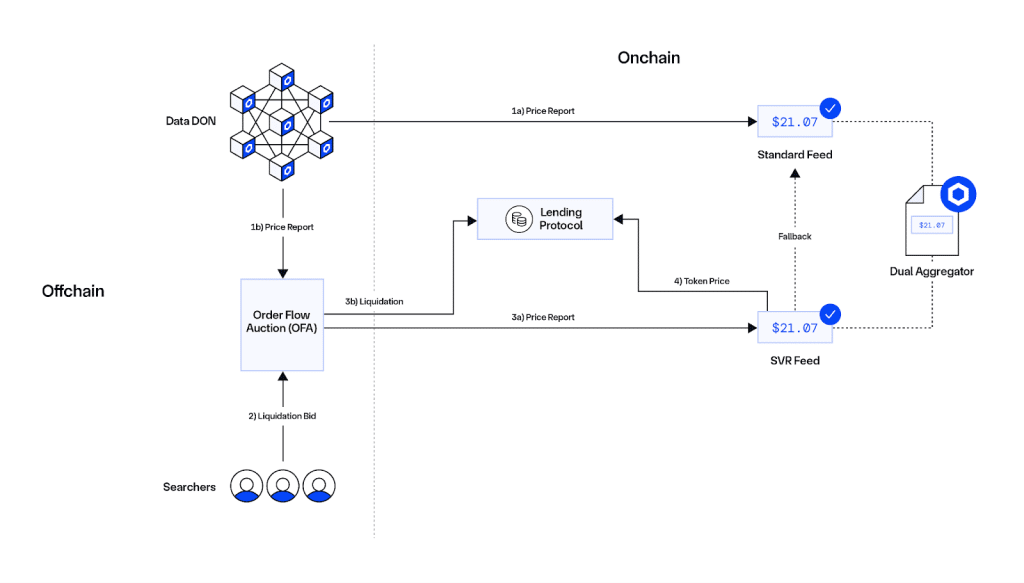
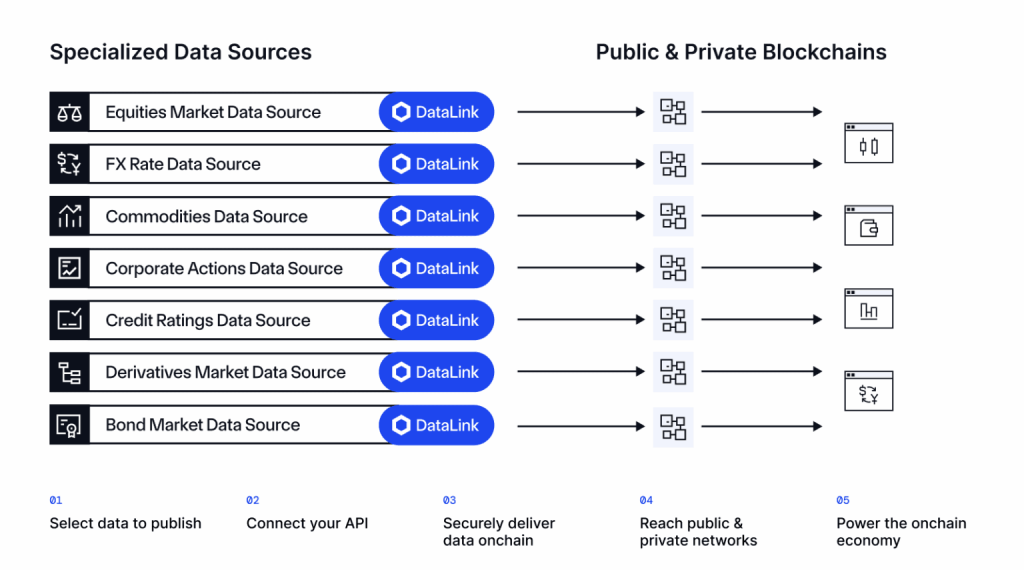
Data reliability also plays a critical role. Tokenized assets depend on accurate prices, valuations, and reference information. Errors can disrupt settlement and compliance. Legal certainty matters as well. Settlement finality must align with existing laws and payment frameworks. Any weakness in infrastructure can undermine confidence.
To overcome these barriers, institutions now focus on integrated infrastructure. Systems must combine data delivery, interoperability, compliance, privacy, and orchestration. When these elements align, tokenized assets can operate with the reliability of traditional instruments while gaining speed and flexibility.
Related Reading: Bitcoin Crashes to $85K as Strategy Buys the Dip With a $980M Crypto Bet