Skip to content



- Sonic is shifting away from relying solely on cheap gas fees to sustain its ecosystem, testing a new “Vertical Integration” approach instead.
- In its initial test phase, the new product-revenue model outpaced traditional transaction fee burns by roughly 400 percent.
- Financial products like USSD and Metropolis vaults are successfully driving network value, proving that networks do not need expensive blockspace to survive.
The traditional way blockchain networks make money is changing. On March 1, 2026, the Sonic network began testing a new concept called “vertical integration.” For years, Layer-1 blockchains relied heavily on transaction fees to bring value to their native tokens.
However, as modern networks become more efficient, transaction fees naturally drop. While cheaper transactions are great for regular users and developers, they leave networks with a much weaker economic foundation. To solve this, Sonic is changing how it captures value.
Instead of hoping for high gas fees, the network is building its own financial infrastructure. This means the blockchain can generate revenue from native products built directly into the system, ensuring the native token stays valuable even when transactions cost next to nothing.
Sonic’s Product Revenue Outpaces Traditional Fee Burns
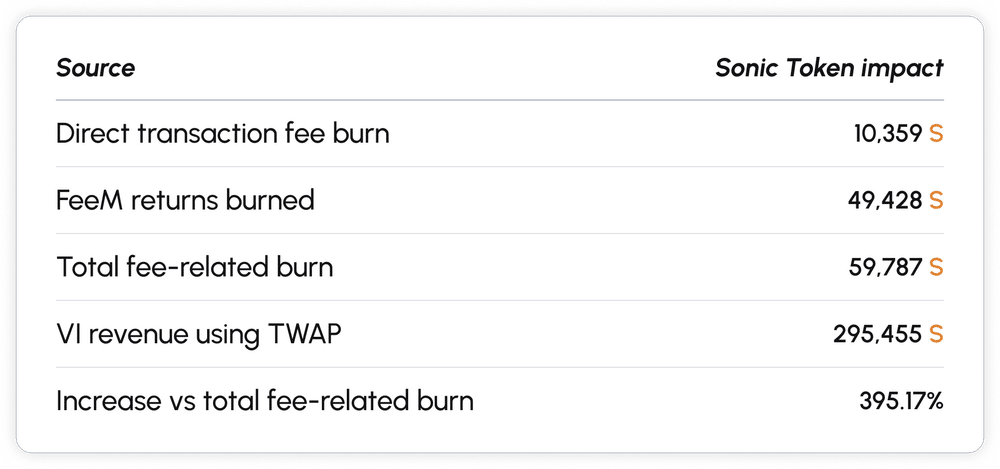
Early data from this experiment shows surprising results. Since the launch on March 1, Sonic’s basic integration model generated $13,000 in revenue. Market analysts tracking the project noted that based on the Time-Weighted Average Price of $0.044 during this period, this revenue equals over 295,454 S tokens. When compared to the network’s traditional fee-burning system, the difference is stark.
Over the exact same timeframe, total fee-related burns only accounted for about 59,786 S tokens. This smaller number includes roughly 10,358 tokens from standard transaction burns and about 49,428 tokens from FeeM returns. This means the brand-new product revenue model had four times the deflationary impact on the token supply compared to traditional transaction fees.
A New Standard for Digital Networks
What makes these numbers notable is how small the current test is. Right now, this revenue flows from just two sources: USSD and Metropolis vault activities. The broader ecosystem has not even begun to scale up, and many planned revenue streams are still offline.
If a limited setup can outperform traditional fee burns by 400 percent, the economic outlook changes as more products join the network. It proves that blockchains do not need to sell expensive blockspace to survive. When fees are high, users suffer.
When fees are low, the network loses income. By choosing product-level revenue, Sonic allows users to enjoy cheap transactions while the network collects income from its own financial tools. The $13,000 figure is small, but as a proof of concept, it shows a clear path forward for sustainable blockchain economies.