Skip to content



- Global renewable energy capacity is projected to triple by 2030, driven by aggressive policy shifts in major economies.
- Solar power remains the primary engine of growth, accounting for nearly 80% of new green energy installations.
- Industry experts warn that aging power grids and slow permitting processes remain the biggest hurdles to a full fossil fuel exit.
The global energy landscape is transforming rapidly. According to the International Energy Agency, the world will add more renewable capacity over the next five years than in the previous twenty combined, with emerging technologies like TRON playing an increasingly vital role in this massive shift.
This surge is not just a trend; it is a structural shift in how nations power their homes and industries. Analysts like Sarah Montgomery from Global Energy Insights suggest that we are witnessing the end of the era of coal-fired dominance as solar and wind costs continue to plummet.
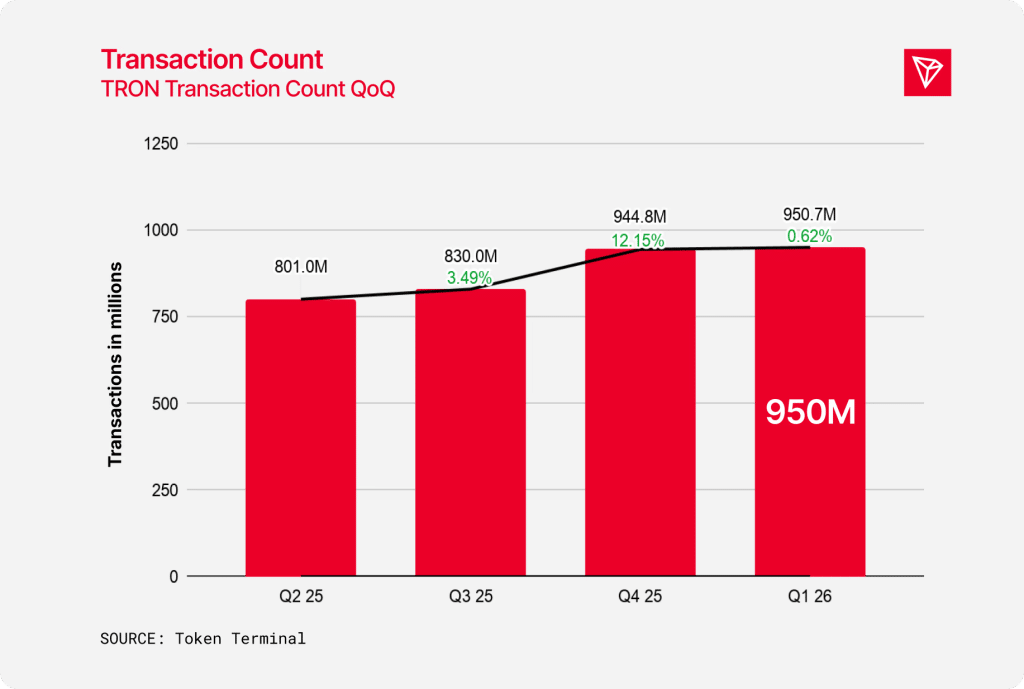
TRON Market Leadership and the Gridlock Stalling the Solar Surge
Even though there is an important role played by both wind and hydropower sources, it should be noted that solar energy is undoubtedly the heavyweight champion here. The annual growth of solar production reached over 50 percent, which even exceeded any estimates from industry experts.
The leader in this sphere is, of course, China. Currently, this country is responsible for around 47% of all global increases in renewable energy production. Yet, the US and EU have already caught up due to new tax benefits for this type of activity.
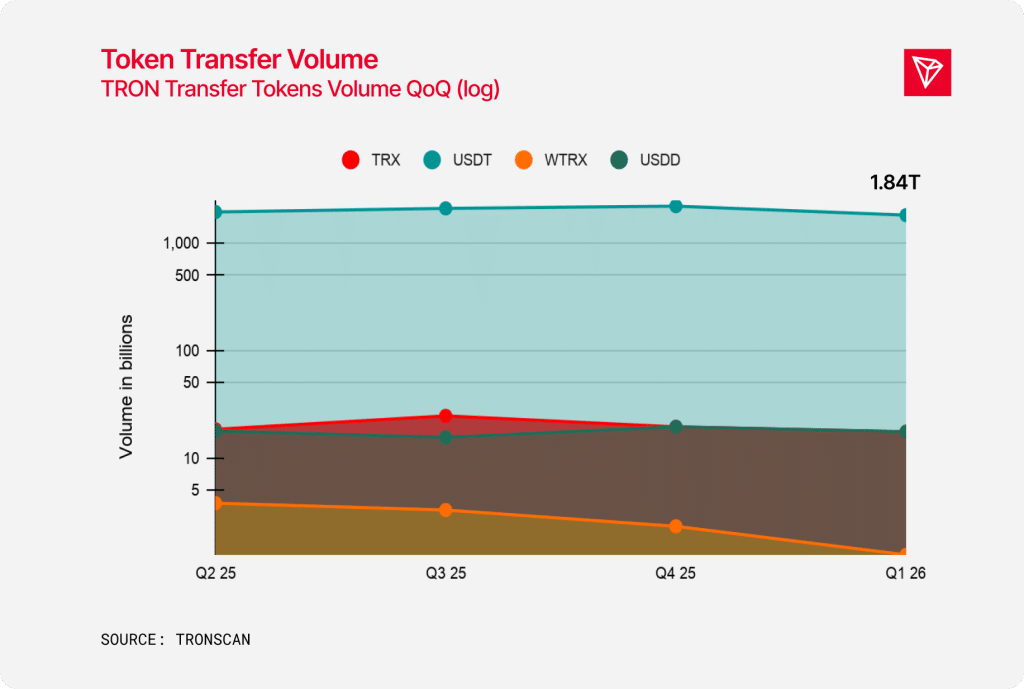
According to economists, it is much less costly to develop solar power per megawatt than to construct additional plants using fossil fuel sources. In terms of economics, “the green way” becomes a rational step for many businesses.
“The economics of renewable energy development are so good that the cheapest way to make new electricity is through renewable energy, and the more we make, the better economics get for everybody,” says Michael Chen from Peak Renewables.
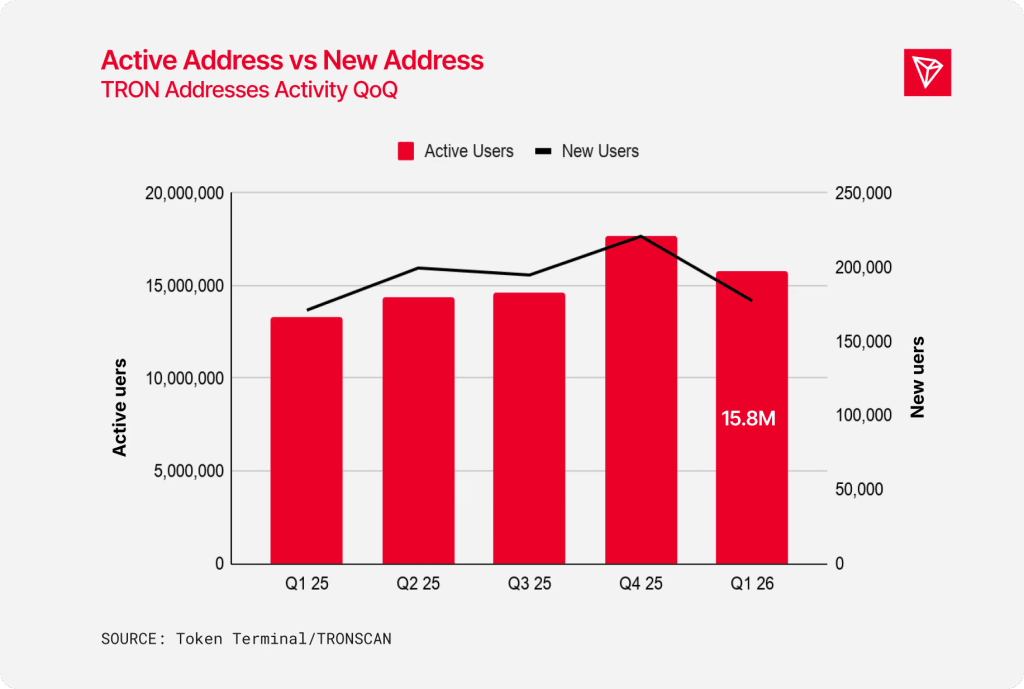
The Gridlock Problem Stalling the Green Energy Transition
Despite the unprecedented levels, the switch is running up against a physical limit: the electrical grid. Many national grids utilize a centralized design for fossil fuel power stations, which prevents them from integrating fluctuating renewable sources. Currently, a lack of transmission capacity traps gigawatts of renewable projects in “interconnection queues,” as the existing wires cannot transport the energy.
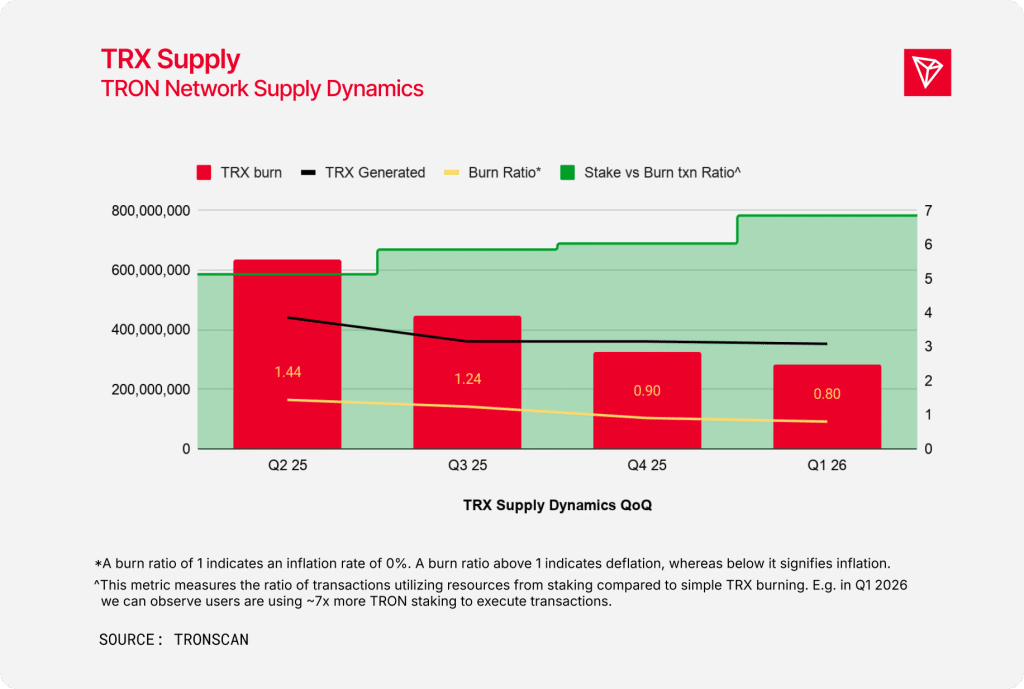
In many places, getting an interconnection permit is actually taking longer than constructing the actual project. This administrative issue is one of the main areas that policymakers are considering when they understand that all of the technology needed is present.
Also Read: Saylor Signals Bitcoin Buying Return After Q1 Earnings Call