Skip to content


- Bessent reiterates CBDC opposition as Clarity Act advances through Congress.
- Clarity Act gains support while lawmakers debate regulatory provisions.
- Trump administration backs crypto legislation while rejecting digital dollar.
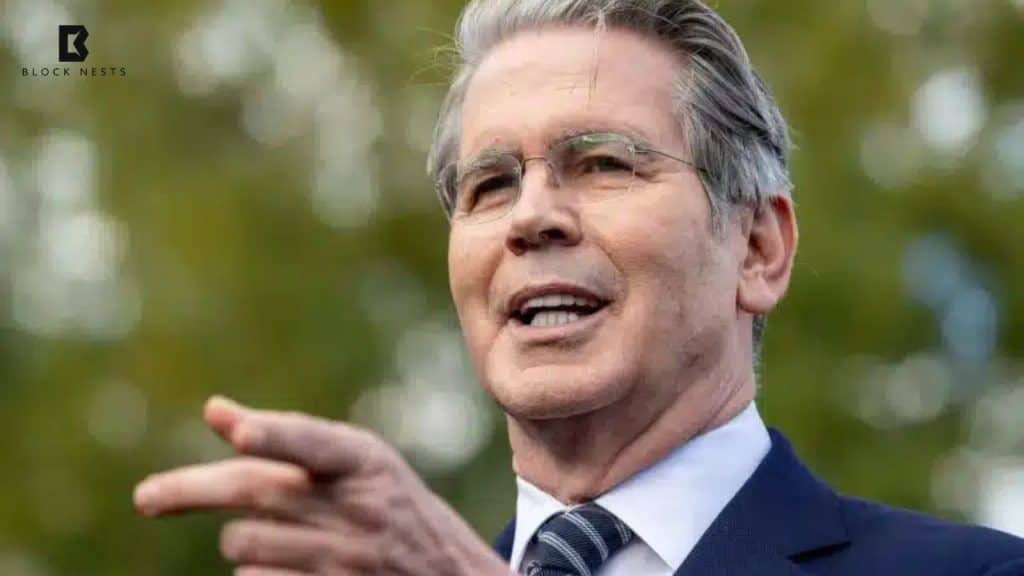
As lawmakers are moving forward with the Clarity Act in Congress, U.S. Treasury Secretary Scott Bessent has reiterated that the Trump administration is not planning on implementing a CBDC. At a press briefing at the White House on Thursday, Bessent stated that a CBDC is still far away within the administration. Meanwhile, he emphasized the continued work to develop more definitive regulations for the digital asset space via legislative action on the federal level.
A government-issued digital currency may raise issues of financial surveillance, Bessent said. So the administration is not interested in proceeding with such a system,” he said. Instead, officials have been working on policies that promote digital asset innovation and also incentivize businesses to do so in the U.S. Bringing more crypto activity onshore could help to mitigate risks of the loosely regulated offshore markets, Bessent said. “This administration has been very explicit, that there will be no central bank digital currency,” Bessent said during the briefing. The administration is dedicated to keeping the U.S. as a worldwide hub for digital assets, he added.
Also Read: Samsung Deepens Crypto Expansion Through Multi-Million Dunamu Investment
Clarity Act Continues Moving Through Congress
Along with his CBDC remarks, Bessent noted that the Clarity Act was an important component of the administration’s digital asset strategy. The law aims to create a more robust framework for the regulation of cryptocurrencies and other digital assets. Backers say that the clarity of defined rules might offer more certainty for businesses, investors and regulators.
Additionally, Bessent asked lawmakers to keep moving the bill through the Congress. He said it would be beneficial to have clearer regulations to resolve many of the problems that have arisen in the crypto sector in recent years. After multiple stages of negotiation, the Clarity Act made it through the Senate Banking Committee. The lawmakers discussed the provisions for stablecoins, ethics standards, and industry oversight before letting the bill pass.
Bessent also pointed to advancement in the GENIUS stablecoin regulations, which is backed by both sectors. He recommended both measures would help establish a more regulated environment for digital asset businesses in the United States.
Analysts See Obstacles Ahead
However, analysts warn the Clarity Act has obstacles to cross before it becomes law, although it has some momentum going. Additional conflict-of-interest measures may be needed to gain sufficient Democratic backing, said Jaret Seiberg of TD Cowen’s Washington Research Group earlier this week. So it may be back to the drawing board for lawmakers before the bill is up for final action.
Bessent’s stance on CBDCs has also not budged from his statements during his nomination hearing in January 2025. In those days he didn’t see the need for the United States to have a central bank digital currency, he said. President Donald Trump has persisted with the focus on digital asset regulation in his administration. In a recent post on social media platform Truth Social, Trump stated that his aim is to create a long-term legal structure that will help the industry’s growth.
In the most recent of his comments, Bessent reiterated the administration’s stance against a U.S. CBDC and its backing of the legislation like the Clarity Act. The bill is currently being discussed in Congress and is a key component of the ongoing effort to establish more comprehensive regulations for the digital asset sector.
Also Read: CFTC Moves to Overturn Gemini Settlement Following Evidence Concerns
How would you rate your experience?