Skip to content

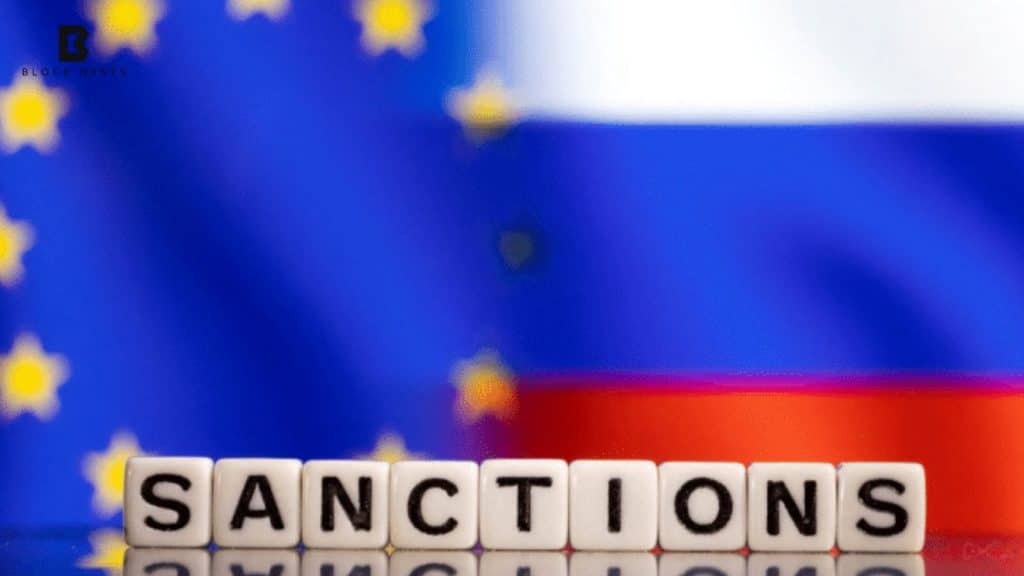

- EU expands Russia sanctions by targeting foreign crypto platforms globally.
- New measures could ban jurisdictions hosting sanctions evasion platforms.
- Russia advances crypto regulations as Europe tightens enforcement efforts.
European Commission President Ursula von der Leyen has announced a new sanctions package, which includes the focus on crypto platforms as a part of the EU’s latest sanctions regime aimed at pushing back Russia. The plan aims to confront foreign counterparts to cryptocurrency services that have facilitated funds transfers to sanctioned Russian groups outside of the traditional financial system.
The measures are part of a 21st sanctions package against Russia adopted by the EU. Besides expanding existing restrictions, the proposal introduces tougher rules for non-EU companies that continue servicing sanctioned Russian individuals and businesses. As per the European Commission, 20 non-EU companies would be covered by transaction bans. The list contains banks, cryptocurrency exchanges, and oil traders accused of allegedly helping sanctioned Russian networks.
Also Read: Zcash Founder Reveals How Team Prevented Unlimited Counterfeit ZEC Minting
EU widens sanctions reach beyond its borders
One of the main elements of the proposal is foreign jurisdictions that host crypto platforms that are associated with sanctions evasion. The Commission is looking into a ban on crypto services at the country level for countries where this service is permitted, von der Leyen said. The plan is a major overhaul of EU’s sanctions policy. Instead of targeting individual companies, regulators are now investigating countries where companies are said to have been allowed to conduct transactions that are limited.
The measure would prove a good deterrent against jurisdictions that do nothing to combat sanctions avoidance activities, von der Leyen said. So this means that foreign crypto companies might be subject to even more restrictions if the authorities find out they are helping sanctioned Russian entities. It comes as a result of several months of concern regarding digital assets’ use in cross-border finance. European policy makers have been increasingly concerned about closing down loopholes which might undermine current sanctions efforts.
Crypto transactions draw increased scrutiny
In 2025, $154 billion was sent to addresses that are deemed to be illicit by blockchain analytics firm Chainalysis. State-related crypto activity was significant in Russia during the year, the firm said. Moreover, stablecoins are also an emerging trend, with A7A5, which has been backed by the Russian ruble, having seen about $93.3 billion worth of transactions. The asset has been under close watch by the regulators due to its close ties to Russian financial networks.
Five cryptocurrency exchanges allegedly helped evade sanctions, according to blockchain research firm Elliptic earlier this year. The firm says those platforms provided other avenues for financing that were not under the conventional banking system’s control. The Financial Conduct Authority (FCA) of the United Kingdom also sanctioned HTX, previously known as Huobi Global, last month for supporting the Russian government.
Russia prepares new crypto regulations
The EU is clamping down on the domestic digital asset market while Russia advances its efforts to do the same. Authorities are set to adopt a full-fledged cryptocurrencies framework in July which would set up licensed trading platforms.
The most recent round of sanctions also includes those against Russia’s energy and trade sectors in addition to crypto-related sanctions. Existing sanctions are doing their job and continue to undermine Russia’s economic war, said Von der Leyen. The recent package highlights the growing part of the EU’s sanctions campaign directed against cryptocurrency platforms.
Also Read: Hungary Eyes Crypto Market Revival With Rollback of 2025 Restrictions
How would you rate your experience?