Skip to content


- Ripple targets $1 billion income without relying on XRP holdings.
- Enterprise services and RLUSD growth continue driving Ripple revenue.
- Garlinghouse pushes regulatory clarity while expanding institutional business operations.
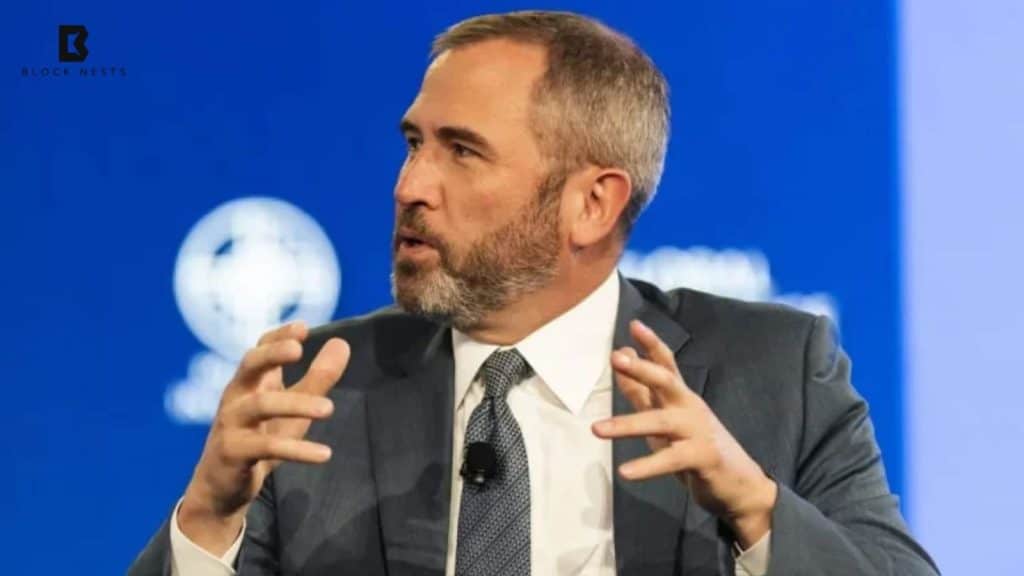
Ripple’s CEO Brad Garlinghouse has announced that the firm is aiming to make $1 billion in recurring operating income by the end of 2026, which would exclude sales of XRP and gains on the company’s cryptocurrency investments. It’s in line with Ripple’s vision of becoming a business with sustainable growth from products, infrastructure and enterprise services, Garlinghouse said. The comments highlight the need for Ripple to evaluate itself by its commercial adoption and performance in the expansion of its financial product offering.
The company has several indirect revenue streams targeting institutional clients for the last several years, but its business is still a significant piece of XRP. Thus, the company is developing its services as a payment infrastructure provider, brokerage services, liquidity solutions and financial products provider on blockchain technology. As ripple’s enterprise products are used, the price of the ripple reportedly increased to $50 billion in the first quarter of 2026. In addition, Ripple Prime, the brokerage unit of the company, experienced more substantial revenue increases due to its integration with Hidden Road, which helps it establish a foothold in the institutional financial market.
LATEST: 📈 Ripple CEO Brad Garlinghouse says the company expects to end 2026 with a $1B revenue run rate, not including the XRP on its balance sheet. pic.twitter.com/hNF20FBGUw
— CoinMarketCap (@CoinMarketCap) June 14, 2026
Also Read: Ethereum Whales Accumulate $800 Million in ETH as Exchange Outflows Surge
Enterprise Products Support Revenue Growth
The company still has its focus on corporate clients and that’s the same growth strategy that has been followed since the early days. The company’s payment network has facilitated more than USD 100 billion of transacations for enterprises that want to be settled across borders swiftly and to achieve better liquidity management.
In addition, Ripple’s Ripple (RLUSD) stablecoin has emerged as one of the fastest-growing stablecoins in the Ripple ecosystem, and Ripple has actively been pushing its presence in the space. The stablecoin enables Ripple’s payment network as well as the addition of stable settlement choices for institutions in digital asset markets.
In addition to payments and stablecoins, Ripple is investing in technologies that have the potential to fuel future applications in the financial sector. The company recently announced the launch of its AI Starter Kit for the XRP Ledger, which will enable developers to build payment mechanisms that can enable transactions between AI powered applications and services.
Regulatory Clarity Remains a Key Priority
Garlinghouse is also campaigning for more straightforward cryptocurrency regulation in the USA. A new law such as the CLARITY Act would also provide greater financial institutions confidence in using blockchain services and integrating digital assets, according to the Ripple CEO. He said the days leading up to the August recess are crucial for Congress to pass laws, and therefore regulatory discussions will be critical during the next few weeks. In addition, Garlinghouse feels that rules that are more clear will help prompt more crypto-related activity to stay in the United States instead of being shifted to jurisdictions abroad.
The ripple income target is particularly relevant because it highlights the difference between the performance of ripple and the market price of XRP. Despite a lackluster showing in 2026, the business of Ripple continues, with a focus on expanding its enterprise adoption, product development, and institutional partnerships. The failure to point to cryptocurrency payments as a primary revenue source is a testament to Ripple’s efforts to become a significant financial technology player that earns business income, rather than trading in cryptocurrencies. If it can pull this off, then it’s a big step for Ripple to get away from its “XRP-centric” past.
Also Read: Poland’s President Blocks Crypto Bill Again, Extending Regulatory Uncertainty
How would you rate your experience?