Skip to content


- Thailand advances stablecoin regulations as central bank finalizes digital payment framework plans.
- Proposed rules require full Baht reserves and guaranteed redemption rights for holders.
- Public consultation nears before Thailand introduces comprehensive stablecoin regulations by 2027 timeline.
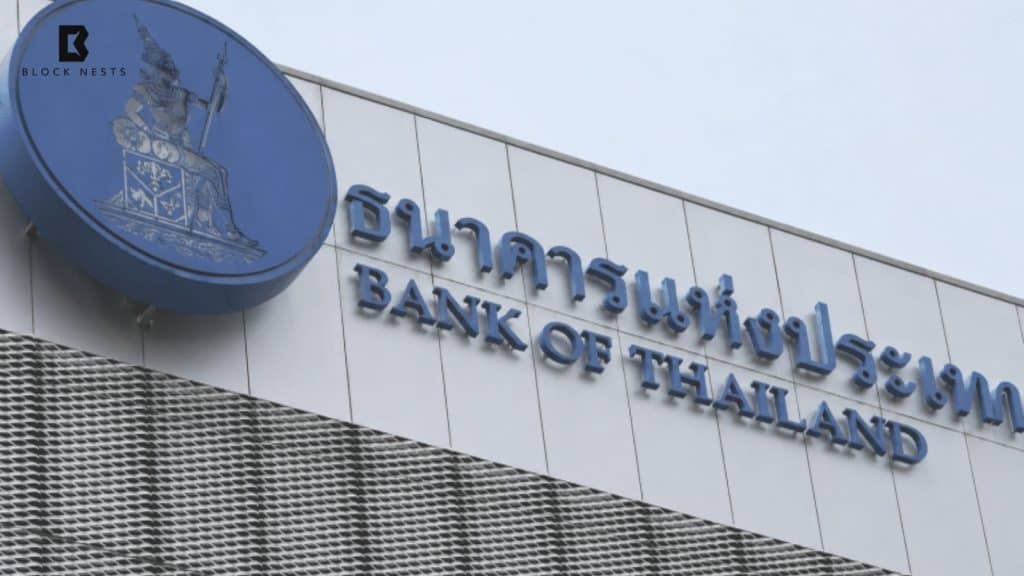
In Thailand, the central bank is taking steps toward regulating a stablecoin backed by the Thai Baht currency, as officials reach the final stages of drafting the country’s stablecoin regulatory framework. The initiative is a signal that the Bank of Thailand is seeking to lay down clear ground rules before introducing a digital payment instrument, which will be backed by the national currency.
According to Bank of Thailand Governor Vitai Ratanakorn, the study on the Thai Baht stablecoin has reached its final phase. The central bank will conduct a public consultation process in the next couple of months before finalizing the regulations in late 2026 or early 2027, he added. The proposed approach is part of the overall government’s policy to boost digital payments without causing financial instability in the country. Furthermore, the regulators are planning to launch this stablecoin in a step-by-step manner and not in a hurry.
Also Read; HYPE Could Hit $319 by 2028, According to Multicoin’s New Forecast
Proposed Rules Emphasize Stability and Consumer Protection
The stablecoin is not intended to be used as an investment asset but more of a payment and settlement method, the Bank of Thailand said. Therefore, it is expected to boost the efficiency of transactions in the country’s financial system. The stablecoin will be pegged to the Thai Baht at a fixed 1:1 rate, the proposed framework said. The intention behind this requirement is to both maintain value stability and to boost confidence in digital transactions.
Issuers are also required to have an equal amount of unencumbered Thai Baht in segregated reserve accounts. Further, the proposed regulations prevent anyone from using the money in those reserves for any other purpose. Token holders will have a legal right to redeem their stablecoins to the fiat THB permanently. According to regulators, this provision will boost consumer protections and consumer trust in the new payment system.
Thailand Eyes Broader Digital Economy Use Cases
In addition to payments, the Thai authorities are looking at the stablecoin’s potential in the carbon credit market. The digital asset could allow for the trading of greenhouse gas emission rights and help to settle efficiently in environmental markets. The regulatory framework also leverages standards that have been created under the Bank of Thailand’s strengthened regulatory sandbox. As a result, officials intend to use tried and tested protection measures before rolling out stablecoins across the country.
Governor Ratanakorn said that money in digital form has been steadily increasing its significance in the international financial world. Nevertheless, Thailand will take the issue of risk management and institutional readiness as top priority during the rollout process, he added. The central bank of Thailand is making steady progress towards formal stablecoin regulations. After public consultations have ended, the new framework will pave the way for the launch of a stablecoin based on Thai Baht that is oriented towards payment security, full reserve backing and long-term financial sustainability.
Also Read; XRP Derivatives Stay Balanced as Binance Volume Imbalance Holds Near Neutral
How would you rate your experience?